Context
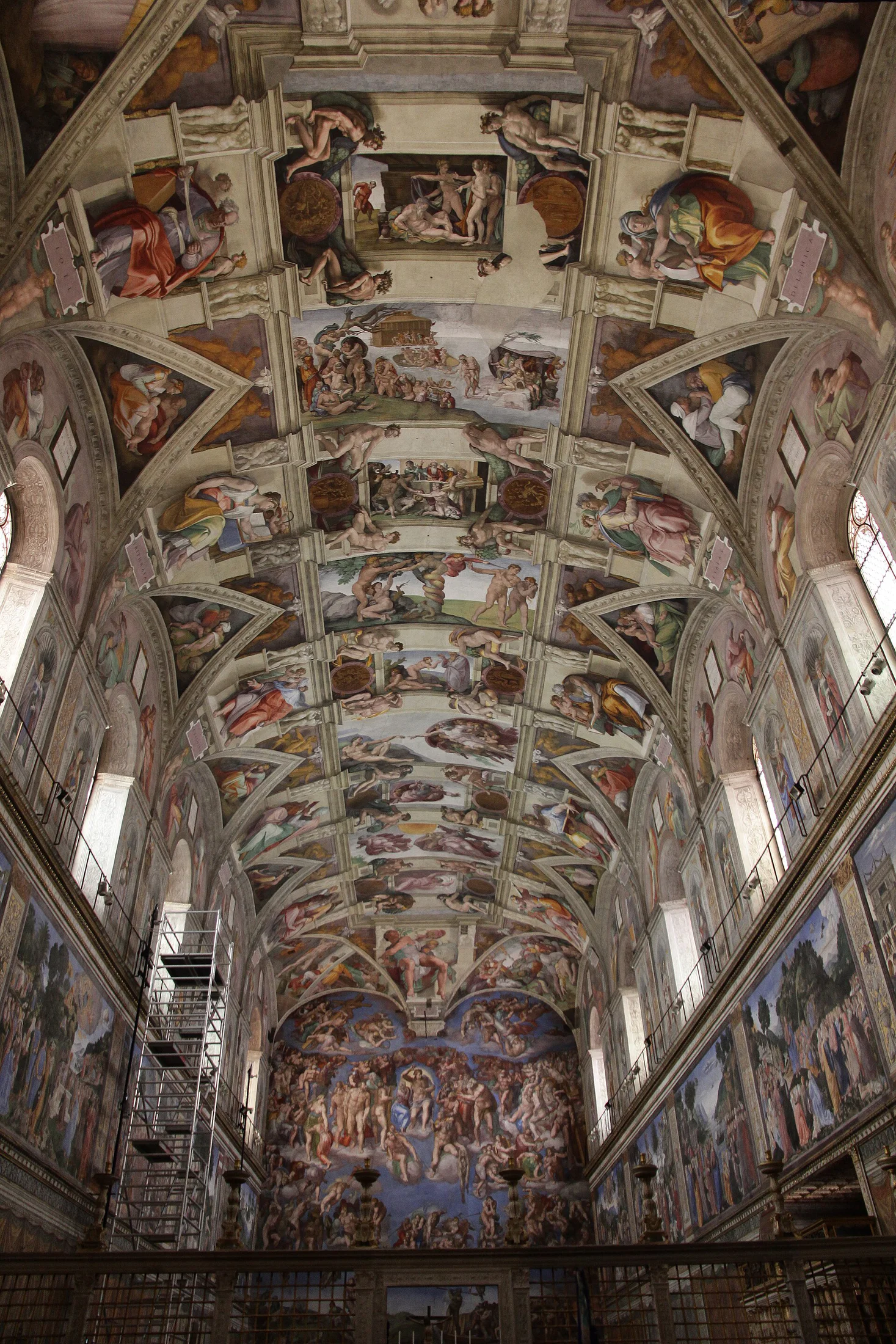
When Julius II summoned Michelangelo to Rome in 1508, the artist was primarily known as a sculptor. The commission to paint the chapel vault was, by Michelangelo's own account, unwelcome; he considered himself ill-suited to large-scale fresco work and suspected rivals — possibly Bramante — of engineering the project to expose his limitations. Nevertheless, he accepted, and over the following four years he devised an architectural and figurative scheme of extraordinary ambition. The ceiling programme, completed in 1512, comprises nine central narratives drawn from Genesis, flanked by prophets, sibyls, ignudi, and the ancestors of Christ, all set within a painted architectural framework that dissolves the actual vault into an illusionistic structure of thrones, cornices, and open sky.
Nearly a quarter of a century later, Michelangelo returned to the chapel. Between 1536 and 1541, he painted *The Last Judgement* on the altar wall, replacing earlier frescoes by Perugino. The theological and artistic climate had shifted considerably: the Sack of Rome in 1527 and the gathering momentum of the Counter-Reformation had darkened the mood of papal patronage. Where the ceiling celebrates the beauty and order of Creation, the altar wall confronts the viewer with a turbulent vision of divine reckoning. Christ appears not as a gentle redeemer but as a powerful, athletic judge, surrounded by saints bearing the instruments of their martyrdom. The two campaigns, separated by decades and by profound changes in Michelangelo's own spiritual outlook, together form a theological arc from the origin of humanity to its final destiny.
What to Notice
The **Sistine Chapel ceiling and altar wall**, seen together from the chapel floor, reveal the full scope of Michelangelo's programme. The ceiling's painted architecture creates a grid of bays and spandrels that organises the narrative into a legible sequence, even at a height of more than twenty metres. The nine Genesis scenes run along the central spine of the vault, progressing from the Separation of Light and Darkness above the altar to the Drunkenness of Noah at the entrance. Flanking these panels, the monumental figures of seven prophets and five sibyls sit enthroned on painted corbels, each absorbed in states of contemplation, reading, or ecstatic vision. The ignudi — twenty athletic male nudes — occupy the corners of the smaller narrative panels, holding garlands and bronze-coloured medallions, their poses forming a catalogue of the human body in tension and repose.
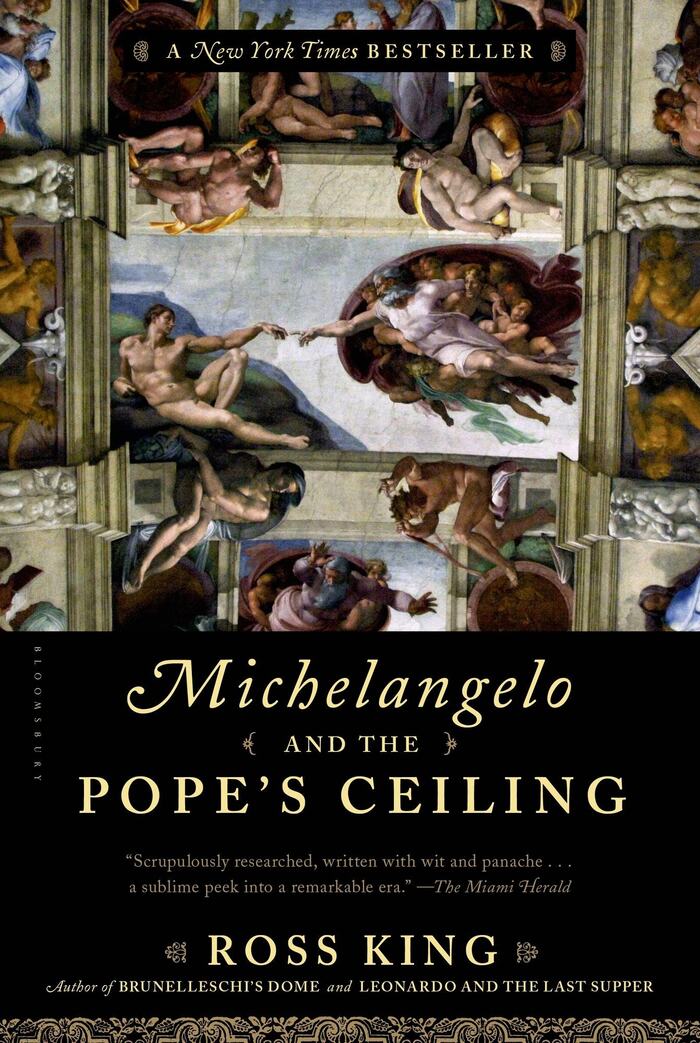
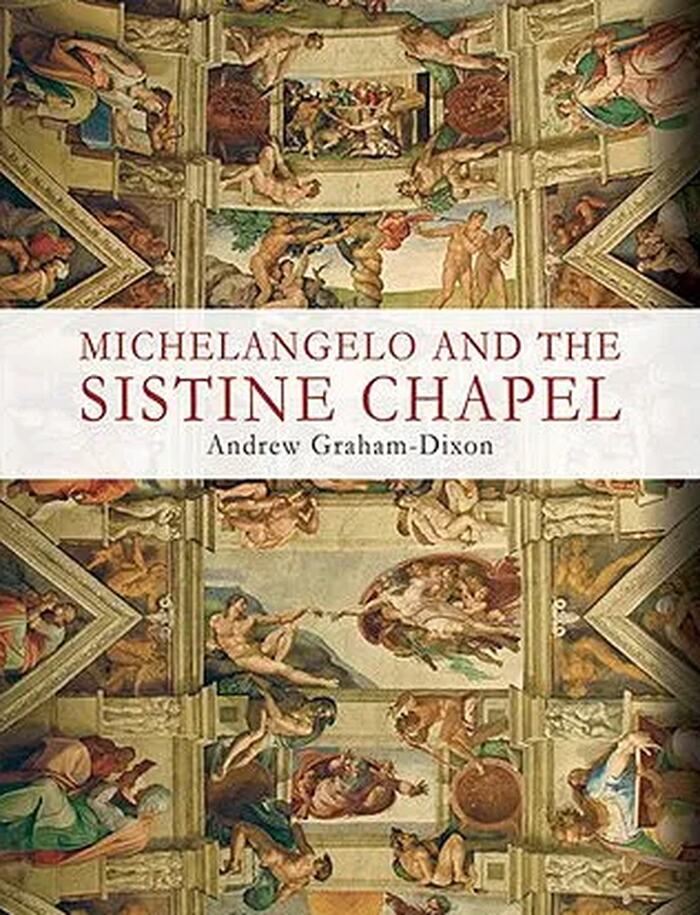
**The Creation of Adam**, positioned near the centre of the vault, is the single most recognisable image in the entire programme. Michelangelo stages the moment not as a completed act but as an imminent one: Adam reclines on the bare earth, his left arm extended but not yet fully energised, while God surges forward within a billowing cloak filled with angels, his right hand reaching towards Adam's fingertips. The narrow gap between the two hands has become one of the most potent visual metaphors in art — the spark of life suspended in a fraction of space. Notice how Adam's body, though languid, already possesses the muscular definition that Michelangelo derived from his deep study of anatomy; the figure is beautiful but incomplete without the divine touch.
Turning to the altar wall, **The Last Judgement** operates on an entirely different visual logic. There is no architectural framework, no orderly grid. Instead, more than three hundred figures swirl around the central axis of Christ in a composition that seems to rotate like a slow vortex. The blessed rise on the left, the damned fall on the right, and at the bottom Charon ferries souls across the Styx — a direct borrowing from Dante. Michelangelo included his own likeness in the flayed skin held by Saint Bartholomew, a gesture widely interpreted as a statement of personal anguish and spiritual humility.
Points of Interest
The chapel's fifteenth-century lateral frescoes, often overshadowed by Michelangelo's work, repay careful attention. Botticelli's *Punishment of Korah*, Perugino's *Delivery of the Keys*, and Ghirlandaio's *Calling of the First Apostles* establish a typological programme linking the Old and New Testaments that Michelangelo's ceiling extends upward into the pre-Mosaic era of Genesis.
Michelangelo's technique evolved visibly during the ceiling campaign. The earlier scenes near the entrance — the Flood, the Drunkenness of Noah — contain smaller, more numerous figures and finer detail, reflecting the artist's initial uncertainty about how the frescoes would read from the floor. As he gained confidence, the figures grew dramatically in scale: the later Creation scenes are dominated by a few colossal forms that command the space with far greater authority.
The extensive restoration carried out between 1980 and 1994 removed centuries of candle soot, animal glue, and earlier retouching, revealing a palette of startling clarity — vivid pinks, greens, lilacs, and oranges that overturned the long-held assumption that Michelangelo worked in sombre, sculptural tones.